Buying a rural property near Vanleer can feel exciting right up until you realize one simple question may not have a simple answer: Where does the water come from? In this part of Dickson County, inspections often involve more than the house itself. If you want to avoid surprises, it helps to understand what a Tennessee home inspection covers, what it does not, and which extra checks may matter most before your inspection period ends. Let’s dive in.
Why Vanleer inspections can feel different
Rural properties around Vanleer are often more variable than homes in town because utility service, access, and site conditions can change from one parcel to the next. A property may be connected to Vanleer Water Works, served by the Water Authority of Dickson County, or rely on a private well.
That means you should confirm the setup for the specific property instead of assuming it based on the mailing address. For buyers looking at acreage, hobby-farm property, or country homes, this step can be just as important as evaluating the house itself.
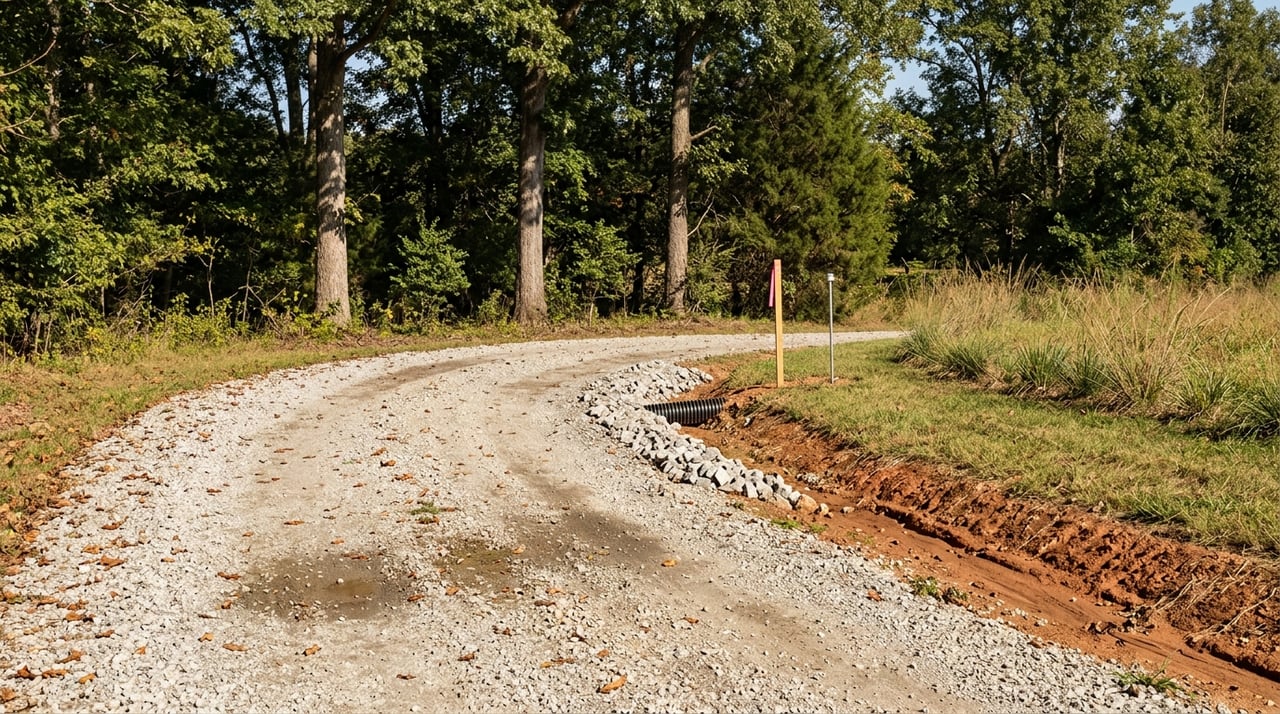
Access can also be more complex on rural land. Parcel lines, easements, and private road arrangements may affect how you reach the property and who is responsible for maintenance.
What a Tennessee home inspection covers
In Tennessee, home inspectors are licensed by the Department of Commerce and Insurance. The state requires pre-licensing education, exam results, and insurance, and consumers can verify an inspector's license before booking.
A Tennessee home inspection is a visual analysis of a residential building, ancillary buildings, reasonably accessible installed components, and site aspects affecting the dwelling. In plain terms, that usually means the inspection can help identify visible defects, safety concerns, and major issues with the home and certain accessible structures on the property.
The inspection report must identify significantly deficient items. It also must note any systems or components that were supposed to be inspected but were not, along with the reason they were not inspected.
What a home inspection does not cover
This is the part many rural buyers need to understand early. Tennessee law says a home inspection is not a code-compliance inspection, and it does not include architecture or engineering work.
It also does not include subterranean systems such as sewage disposal, water supply, or fuel storage and delivery. For a rural Vanleer property, that limitation matters because septic and private well concerns may be some of the biggest due-diligence items on the property.
So while a general home inspection is valuable, it is only one piece of the bigger picture. It can flag visible issues, but it does not replace separate testing or specialty services for systems outside its scope.
Specialty inspections that may matter
Private well testing
If the home uses a private well, water quality deserves separate attention. Tennessee says private well owners are responsible for protecting water quality, and private well water quality is not periodically regulated by the state.
The practical takeaway for you is simple: if a property uses a well, consider separate well testing during your due diligence period. Tennessee guidance supports annual testing as a strong baseline, and local health departments can advise on additional contaminants that may be worth testing.
You may also want to ask for the Tennessee Water Well Drillers Report. State guidance says the driller files this report, and owners should request a copy.
Septic system review
If the home is not connected to a sewer system, the septic system should be treated as its own due-diligence item. In Tennessee, the state regulates permits for septic installation and repair, along with related installer, pumper, and disposal permits.
That matters because a septic issue may not be fully evaluated through a general home inspection. Tennessee guidance also warns that improperly sited, designed, built, or maintained septic systems can affect groundwater and wells.
Survey and access questions
If the property has a long driveway, shared drive, private road, or access across another parcel, a survey may be especially helpful. Tennessee property records and county rules make clear that parcel dimensions, survey lines, and easements can directly affect access.
An easement can be the legal right to cross someone else’s land. In some rural situations, maintenance documents for private streets or easement-based access may also be important.
Outbuildings and detached structures
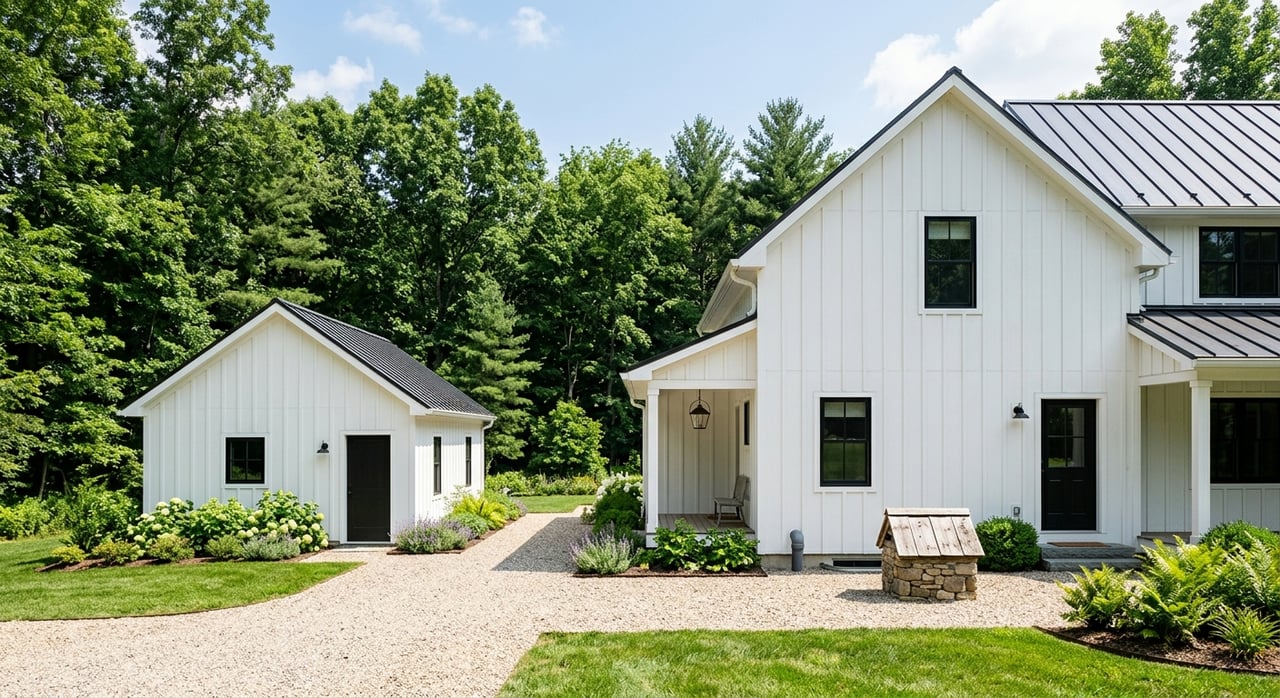
Barns, sheds, detached garages, and similar structures may matter a lot on rural property. Tennessee law includes ancillary buildings and reasonably accessible installed components within the scope of a home inspection.
That means accessible outbuildings may be part of the general inspection, which can be helpful if those structures are important to how you plan to use the property. Still, the key word is accessible, so not every detached structure will always be fully reviewed.
Questions to answer before inspection deadlines
The inspection period can move quickly, especially when multiple rural logistics need attention. These are some of the most important questions to answer before your deadlines run out:
- Is the property on Vanleer Water Works, the Water Authority of Dickson County, or a private well?
- If there is a private well, do you want separate water testing and a copy of the well driller's report?
- Is the septic system permitted, and do you need a septic contractor or pumper to evaluate it?
- Is access from a public road, a private road, or an easement?
- Who maintains the driveway, private road, or shared access route?
- Are all important outbuildings accessible and included in the inspection?
- Have you verified the home inspector's Tennessee license before booking?
Getting clear answers to these questions can help you make better decisions while you still have time to act.
A simple rural inspection strategy
If you are buying in Vanleer, it helps to think of the inspection process in layers rather than as one single event. The home inspection covers the visible condition of the house and certain accessible structures.
Then you look at the rural-specific items that may need separate attention, such as well testing, septic review, and access or survey questions. This approach is often the clearest way to understand how the house, land, water, wastewater setup, and outbuildings all work together.
That is one reason rural buyers often benefit from hands-on coordination throughout the contract period. When multiple moving parts are involved, clear communication and local guidance can make the process feel much more manageable.
If you are preparing to buy a country home or acreage property around Vanleer, working with a team that understands rural inspection logistics can help you ask smarter questions early and stay organized through every deadline. When you are ready for practical guidance, connect with Emerald Key Realty for knowledgeable, hands-on support.
FAQs
What does a Tennessee home inspection cover for a rural Vanleer property?
- A Tennessee home inspection is a visual analysis of the residential building, ancillary buildings, reasonably accessible installed components, and site aspects affecting the dwelling.
What does a Tennessee home inspection not cover for a Vanleer home buyer?
- It is not a code-compliance inspection and does not include architecture, engineering, or subterranean systems such as sewage disposal, water supply, or fuel storage and delivery.
Why should a Vanleer buyer ask about the property's water source?
- Rural properties in the area may be served by Vanleer Water Works, the Water Authority of Dickson County, or a private well, so the utility setup should be confirmed for the specific parcel.
Should a Vanleer buyer get a separate well test during due diligence?
- If the property uses a private well, separate testing is often a smart step because private well water quality is the owner's responsibility and is not periodically regulated by the state.
Why does a septic system need separate attention on a rural Dickson County property?
- Septic systems are outside the scope of a general home inspection, and Tennessee regulates septic permitting and related services separately.
When is a survey helpful for a rural Vanleer purchase?
- A survey can be especially useful when the property involves acreage, shared access, a private road, long driveways, easements, or questions about boundary lines.
Can outbuildings be included in a Vanleer home inspection?
- Yes, Tennessee law includes ancillary buildings if they are reasonably accessible, which may include structures like barns, sheds, and detached garages.