Torn between a storybook front porch near the square and a turnkey home with a fresh warranty? In Columbia, you can choose from both historic character and modern convenience. The right fit comes down to lifestyle, maintenance, and the local rules that shape what you can change. In this guide, you’ll learn the tradeoffs, the approvals to expect, what inspections to budget for, and a simple checklist to move forward with confidence. Let’s dive in.
Historic vs. new in Columbia
Columbia’s historic core is protected by a local preservation program. If a home sits in a designated district, exterior changes often need review by the City’s Historic Zoning Commission, which uses published design guidelines to evaluate projects. You can review the process and guidelines on the City’s Historic Zoning Commission page: City of Columbia Historic Zoning Commission.
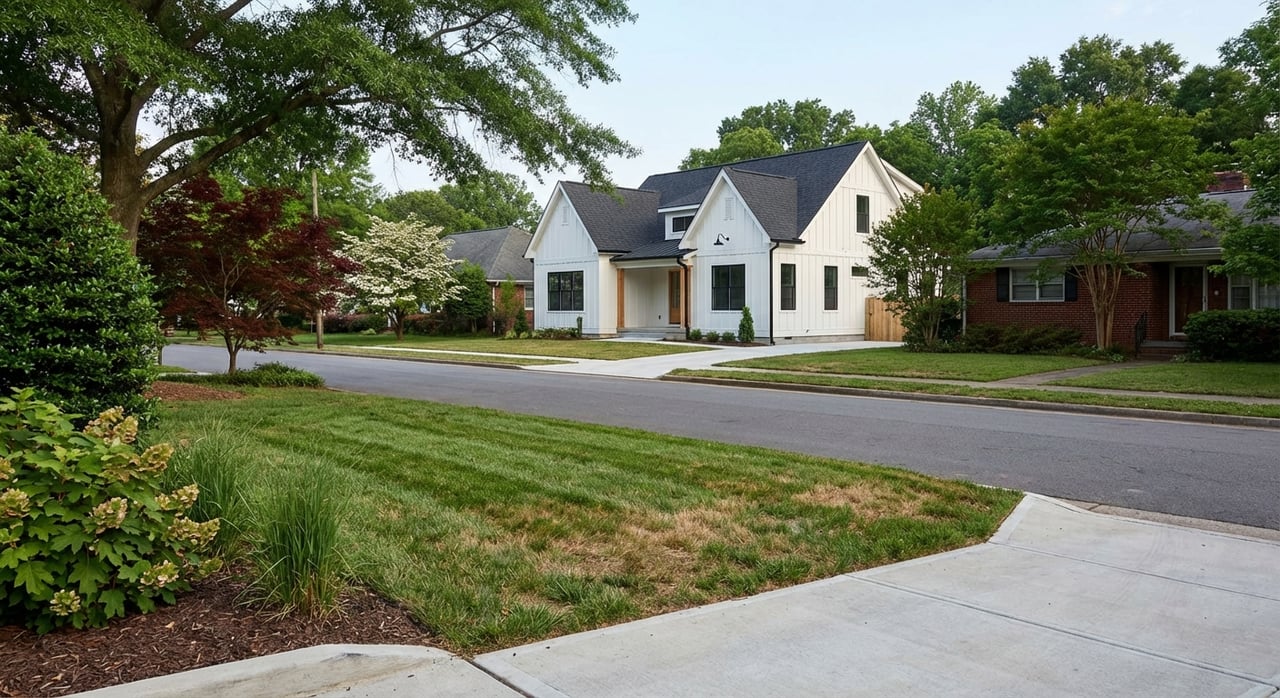
New construction has expanded in and around Columbia, with builders offering neighborhoods close to town and near key corridors. As an example, Regent Homes markets communities like Trotwood Villas with sidewalks and contemporary floor plans. You can see an example community here: Regent Homes Trotwood Villas.
Before you compare homes, confirm whether a property is inside the City of Columbia or in unincorporated Maury County. Permits, inspections, and some utility providers differ. Check the City’s permitting and adopted codes page at City of Columbia Building Codes & Construction and county rules at Maury County Building & Zoning.
Maintenance, renovations, and permits
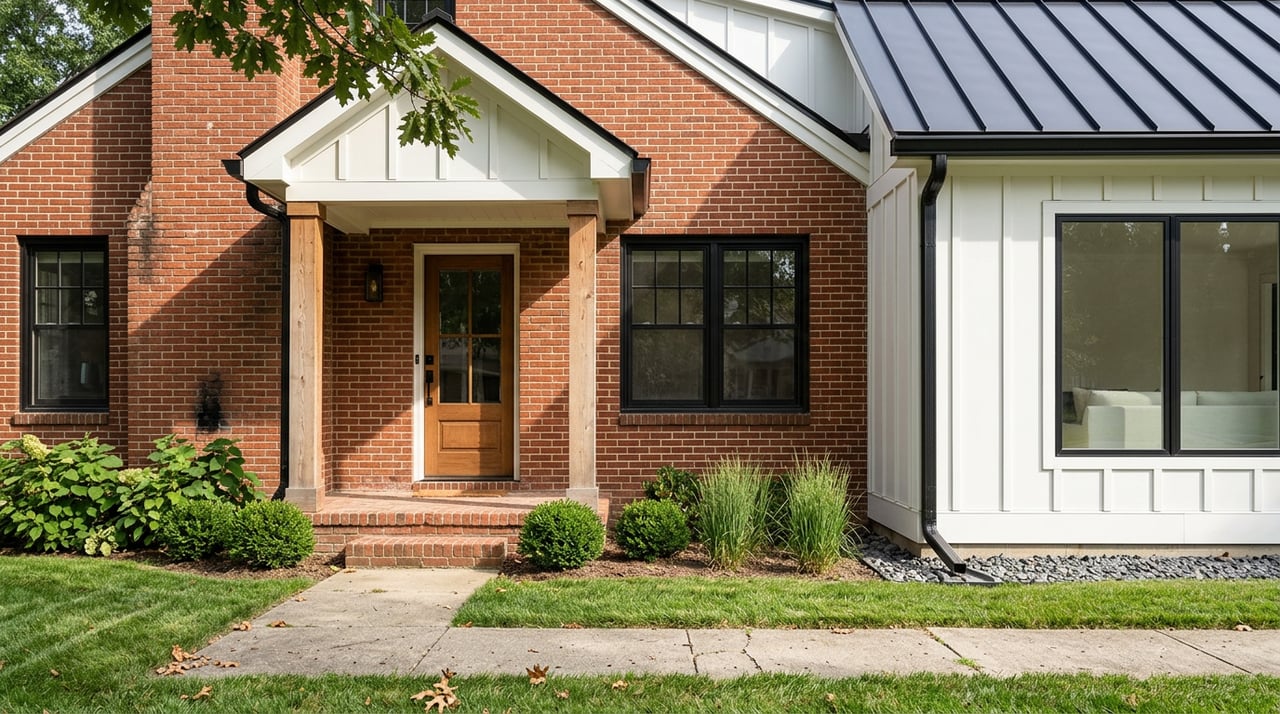
Older homes often have original wood windows, plaster, masonry, and aged mechanical systems. These features are beautiful, but they may call for specialized repairs over time. In historic districts, many exterior updates require a Certificate of Design Approval. Plan your timeline with the City’s design-review step in mind, and verify permit history before you buy.
With any home, schedule a thorough inspection. For pre-1978 homes, ask about lead-safe practices and disclosures. The EPA’s Renovation, Repair & Painting rule explains how contractors should handle painted surfaces in older homes: EPA RRP consumer guidance.
Red flags to watch for include unpermitted additions, signs of foundation movement, old electrical such as knob-and-tube, damp crawlspaces, and roofs at the end of their service life. New builds typically reduce near-term maintenance, but you should still confirm what the builder warranty covers and complete a punch-list walkthrough before closing.
Health and safety in older homes
Homes built before 1978 may contain lead-based paint. If you plan to renovate, certified lead-safe work practices help protect your household. Learn the basics in the EPA’s RRP consumer guidance.
Some older insulation, flooring backings, or pipe wrap can include asbestos. Undisturbed materials are often safest left in place, but planned work may require professional testing and abatement. The Consumer Product Safety Commission outlines precautions here: CPSC asbestos in homes.
Energy efficiency and monthly costs
Historic homes can be draftier due to single-pane windows, air leaks, or thin insulation. Newer builds must meet modern energy codes, so they often include tighter envelopes and efficient HVAC from day one. If you are upgrading an older home, targeted improvements like air sealing, attic insulation, and storm windows can deliver strong value. ENERGY STAR provides practical guidance on window and storm-window choices: ENERGY STAR windows and storm windows.
Federal incentives can help offset some upgrade costs. IRA-funded programs and tax credits change as states roll out details, so check current opportunities and timelines using this overview: Building Performance Association IRA resources.
If your project includes income-producing use in a listed historic building, a federal Historic Tax Credit may apply. The Tennessee Historical Commission explains eligibility and process here: Tennessee Historical Commission — Federal Historic Tax Credit. Note that owner-occupied residential rehabs do not qualify for this federal historic credit.
Lot size and neighborhood feel
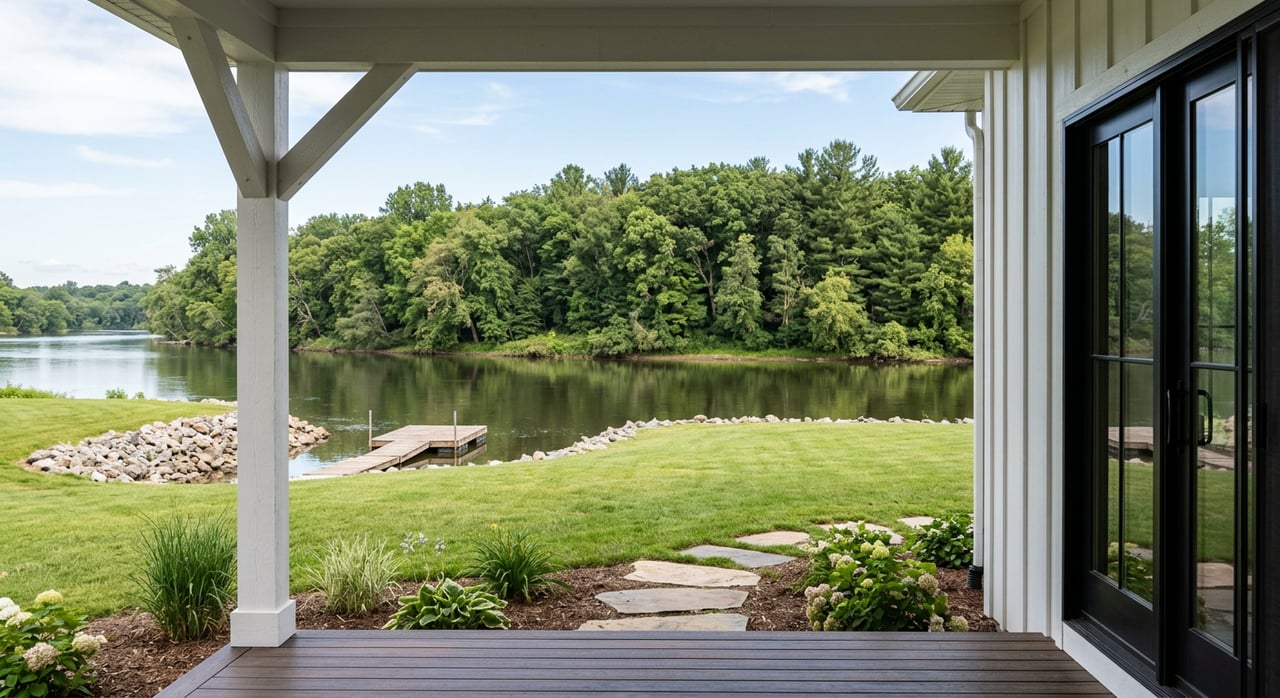
Near Columbia’s square, you’ll find homes within easy reach of local shops, restaurants, arts events, and seasonal traditions like Mule Day. Lot sizes vary widely, from compact in-town parcels to larger historic properties. Newer subdivisions often offer consistent lot depths, sidewalks, garages, and sometimes HOA-managed amenities. Think about how you live week to week. Do you want to walk to coffee and events, or do you value a bigger backyard, more parking, and planned neighborhood amenities?
Resale, financing, and insurance
Financing and underwriting can differ for older homes that need repairs versus move-in-ready new builds. Lenders may ask for permits, code-compliance proof, or repair escrows for significant issues. Insurance can also vary. Older systems, aging roofs, or out-of-date wiring may affect premiums or eligibility with some carriers. Ask your insurance agent for quotes early in your due diligence window, especially if the home has known repairs ahead.
Quick buyer checklist
Use this short list to move from browsing to clear next steps.
- Confirm jurisdiction and utilities: City of Columbia or Maury County. Review permitting at City of Columbia Building Codes & Construction and county rules at Maury County Building & Zoning.
- If the home is in a historic district, read the City’s design guidelines and process: Historic Zoning Commission.
- Order inspections: general home inspection, plus roof, foundation, chimney, and HVAC as needed. For pre-1978 homes, confirm lead-safe practices per EPA RRP; consider asbestos testing if renovations will disturb suspect materials per CPSC guidance.
- Budget and timeline: historic homes may require longer planning and specialty trades. New builds require warranty review and HOA rule checks.
- Energy and incentives: plan low-cost air sealing and insulation first, and explore upgrade guidance via ENERGY STAR; check evolving credits and rebates at Building Performance Association.
- If your project will be income-producing in a qualified historic building, review the Tennessee Historic Tax Credit process.
The smart way to read the market
Market trackers often publish different figures for median prices and days on market in Columbia and Maury County based on their data sources and timing. Treat any single number as a snapshot, not the full story. The most reliable view comes from up-to-date MLS data for your price range and property type. If you need a current, on-the-ground read before you make an offer, ask for a customized market snapshot focused on your target neighborhoods and features.
Which home fits you?
Choose a historic home if you love character, want a walkable in-town life, and you are comfortable planning for ongoing maintenance and occasional specialty restoration. This path rewards patience and care, especially if you value period details and proximity to the square.
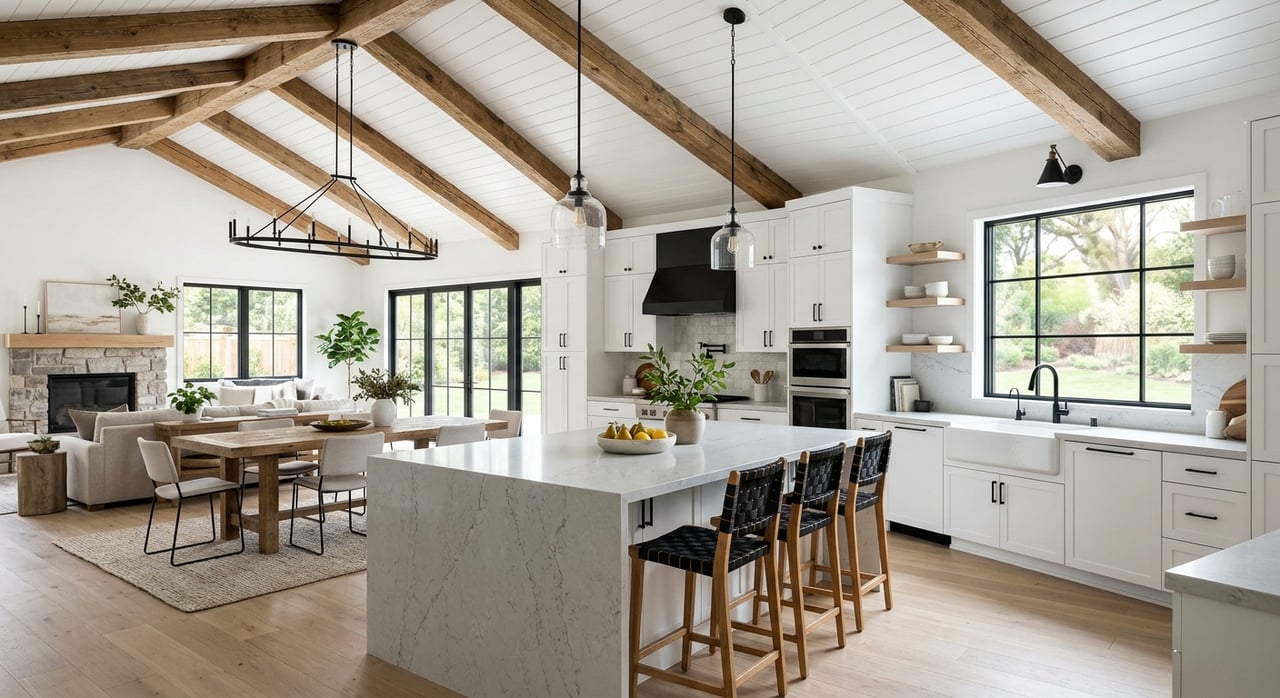
Choose a new build if you prefer lower near-term maintenance, modern layouts, and energy-efficient systems. You’ll trade some in-town charm for predictable warranties, garages, and often a larger yard or community amenities. Both paths can be great investments when you match the home to your lifestyle, budget, and appetite for projects.
Ready to compare options side by side or tour both a downtown charmer and a new community the same afternoon? A local, hands-on guide makes that easier and more confident. Reach out to the team at Emerald Key Realty to talk through your priorities and line up homes that fit.
FAQs
Do I need special permits to update a historic home in Columbia?
- If the home is inside a local historic district, many exterior changes require design review by the City’s Historic Zoning Commission; check the City’s guidelines and approval process before you plan work.
Are there tax credits for fixing up an owner-occupied historic home in Tennessee?
- The federal Historic Tax Credit applies to income-producing historic rehabilitations, not owner-occupied homes; see the Tennessee Historical Commission for program details and current guidance.
What inspections should I order for an older Columbia home?
- Start with a general home inspection, then add specialists as needed for roof, foundation, chimney, HVAC; for pre-1978 homes, confirm lead-safe renovations, and consider asbestos testing if you plan to disturb suspect materials.
How do energy rebates and credits work for home upgrades?
- Federal tax credits and IRA-funded state rebates are evolving; review current options and timelines, then prioritize cost-effective upgrades like air sealing and insulation before larger projects.
Is a new build easier to maintain than an older home?
- Generally yes in the near term due to new systems and code-compliant construction, but you should still verify what the builder warranty covers and complete a detailed punch list before closing.
What changes when a property is in Maury County instead of inside Columbia city limits?
- Permitting, inspections, and some utilities differ; confirm whether City or County rules apply early, and check the appropriate office for permit requirements and adopted codes.