Thinking about buying land or a country home in Stewart County? Rural property can offer space, privacy, and flexibility, but it also comes with extra homework that you do not always face in a more built-up area. If you want to avoid surprises with access, utilities, septic, or flood concerns, it helps to know what to check before you make an offer. Let’s dive in.
Why rural due diligence matters
In Stewart County, the county says it has no county zoning or permitting and does not issue letters of occupancy for county properties. If a property is inside Dover or Cumberland City, you need to check with those municipalities directly. The county also notes that deed restrictions and HOA rules may still apply.
That means a large part of your research often shifts to the property itself. With rural homes and acreage, the biggest questions usually involve legal access, road maintenance, septic status, water source, electric service, internet availability, and flood risk.
Check access before anything else
Access is one of the first things to confirm on a rural property in Stewart County. A pretty parcel can become much less appealing if the road situation is unclear or expensive to maintain. You want to know exactly how you reach the property and who is responsible for keeping that route usable.
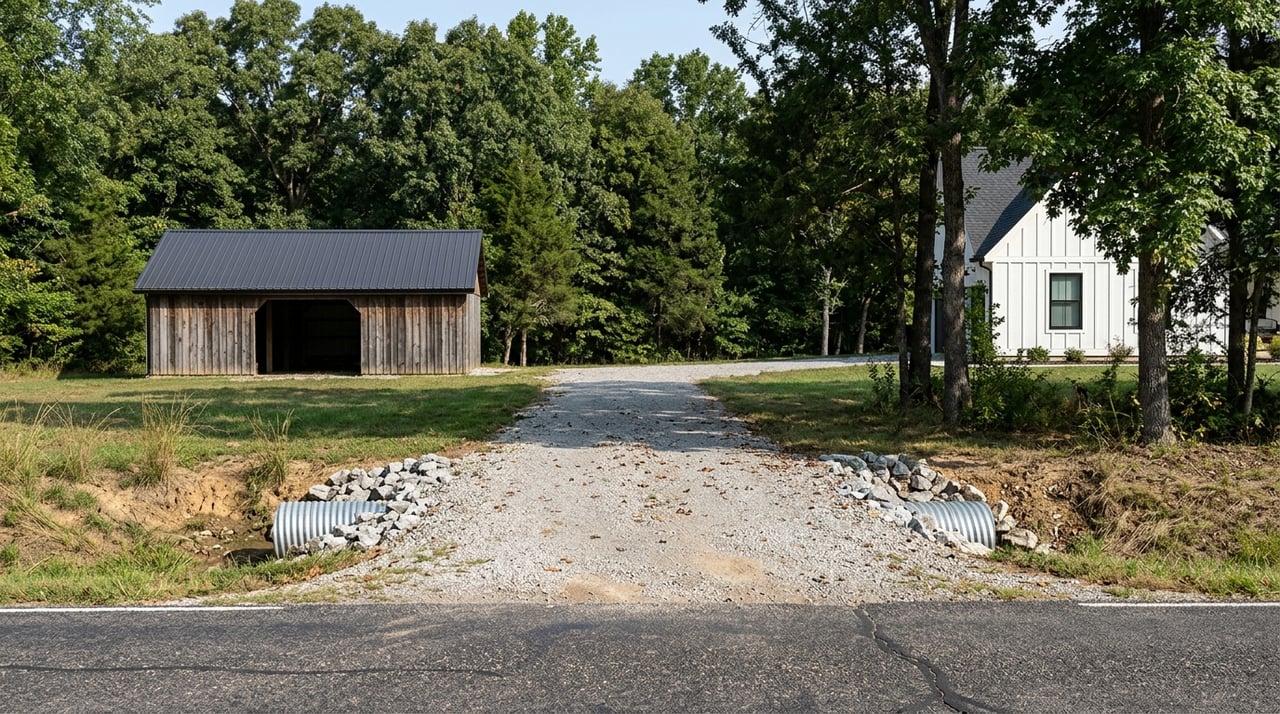
Stewart County has specific standards for a road to be accepted as a county-maintained road. Those standards include 50 feet of recorded right-of-way, a 22-foot roadbed with at least 6 inches of crushed limestone, drainage and culverts where needed, no gates or fences in the right-of-way, and County Commission approval after recommendation by the Highway Superintendent.
Questions to ask about the road
Before you move forward, ask whether the access road is:
- County-maintained
- Privately maintained
- Shared through a recorded easement
You should also verify the recorded right-of-way width. If there are gates, fences, or cattle gaps, find out whether they sit inside the right-of-way and whether that could affect access.
Do not assume every road is paved
Stewart County road records show a mix of gravel, DBST, and hot-mix asphalt roads. In simple terms, that means road surfaces can vary quite a bit from one area to another. If you are buying outside town, do not assume the drive in will be paved or low-maintenance.
That matters in everyday life. Delivery trucks, moving vans, service providers, and emergency vehicles may all need reliable access, especially during wet weather.
Budget for private road upkeep
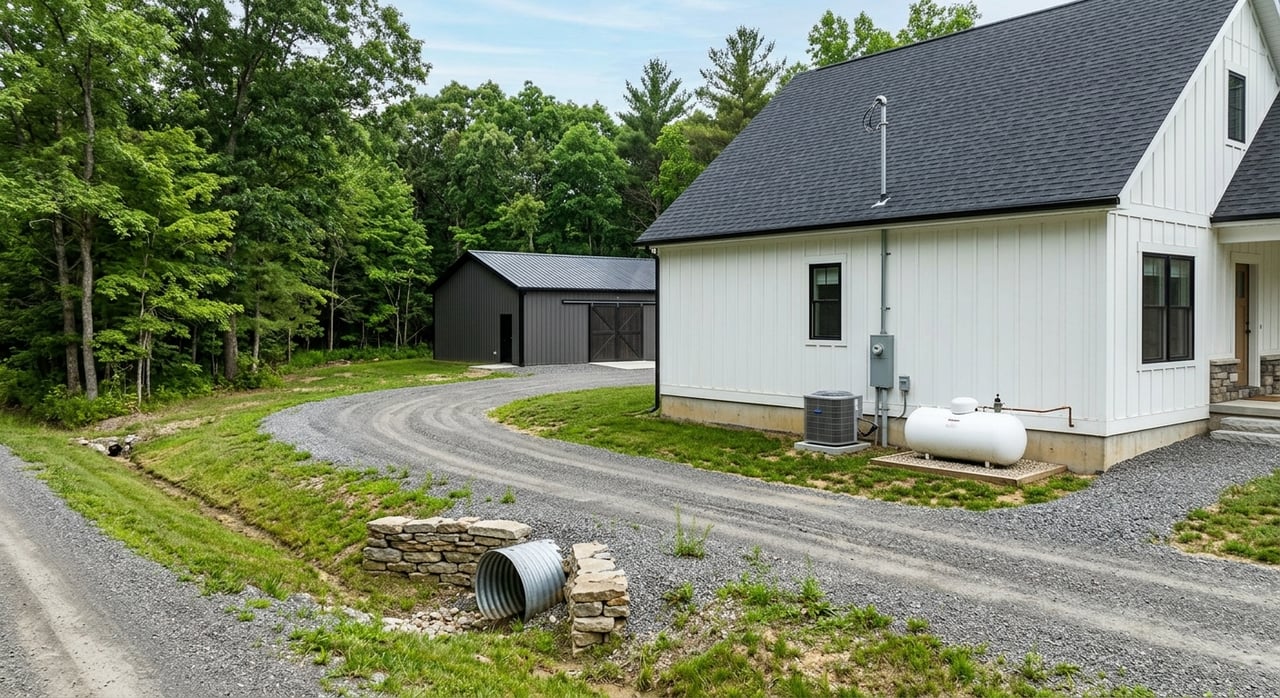
If the road is private or only lightly maintained, you may need to plan for ongoing costs. Grading, gravel, culvert work, and storm-related repairs can all become part of ownership. This is one of those rural property details that is easy to miss until after closing.
Verify electric and internet by address
Many buyers assume utility service will be available if a property is near other homes. In rural Stewart County, it is better to confirm service by the exact property address. Availability can change from one road or tract to the next.
Cumberland Electric Membership Corporation serves Stewart County. It also offers internet service through Cumberland Connect, which checks availability by address.
Why address-level checks matter
A listing may mention nearby utilities, but that is not the same as confirmed service to your parcel. If internet is important for work, school, streaming, or security systems, verify it early. That step can help you avoid choosing a property that does not fit your daily needs.
Confirm water source and service area
Water is another item you should verify property by property. In rural areas, one home may be on public water while another nearby relies on a private well or spring. Do not assume water service based only on a mailing address or town name.
North Stewart Utility District provides water service in part of the area, and the Town of Dover operates its own municipal water department and water plant. The key is to confirm which system, if any, serves the exact property you want to buy.
If the property has a private well
In Tennessee, private water supplies are usually groundwater wells or springs. The Tennessee Department of Health says water quality for private supplies is generally unregulated, even though well construction is regulated.
That is why testing matters. The department recommends testing private water supplies for bacteria every year and for chemical contaminants every two years.
What to look for with a well
If a property has a well, ask where it is located and whether it has been maintained. Tennessee guidance says wells should be located away from septic tanks, drain fields, animal pens, and flood-prone areas. The well should also be protected so surface runoff does not enter the casing.
Septic can affect your plans
For many rural buyers, septic is one of the most important parts of the deal. A property may look ideal on the surface, but septic limitations can affect where you build, expand, or place outbuildings. It is smart to investigate septic status early.
The Tennessee Department of Environment and Conservation says a septic permit should be obtained before dirt work or construction begins, including the building pad. That is an important detail if you are buying land and planning to build.
Existing homes and septic documentation
TDEC notes that inspection letters are commonly requested by sellers, buyers, lenders, and real estate professionals during transactions. Water samples for coliform are also routinely requested.
There is another practical point here. Before an electrical inspector can process a request for service, Tennessee law requires written notice that the property is on public sewer, has applied for septic, or will use an existing septic system.
Outbuildings and future changes
If you are picturing a garage, shop, or barn, ask how that plan interacts with the septic area. TDEC says conventional septic systems can serve accessory buildings, but changes that affect the septic area may require a modification permit. That makes site planning especially important on acreage.
Dividing land later
If you may divide the property in the future, bring that up early. TDEC says a survey and soils map must be submitted for subdivision evaluation when land is divided into two or more parcels for future development involving septic. Divisions into tracts of 5 acres or larger are not treated as a subdivision in that TDEC process.
Review flood risk and drainage
Flood review is another step you should not skip in Stewart County. The county hazard mitigation plan says flooding can come from rivers and other bodies of water, low-lying areas, and poor drainage. It also notes that floodwaters can carry contaminants and lead to sewage and mold problems.
For that reason, buyers should check FEMA flood maps and the Tennessee Property Viewer before closing. Even if the home itself appears fine, drainage issues elsewhere on the parcel can still affect use, maintenance, and future improvements.
Flood risk matters for wells too
Flood review is not only about insurance or surface water. Tennessee guidance for private wells says a well should not be placed where it is subject to flooding. If a well must be in a flood-prone area, the casing should extend above the 100-year flood elevation.
That makes drainage and elevation part of the water conversation too. On rural land, these systems often connect in ways that are easy to overlook.
Ask about land use and maintenance needs
Part of the appeal of acreage is having room to use the property in different ways. Even so, it is wise to ask practical questions about clearing, upkeep, and improvements before you commit. What looks simple on a showing can involve permits, equipment, or added cost later.
If you plan to clear brush or burn debris, Stewart County requires burn permits from October 15 through May 15. The permits are free. It is a small detail, but one that can matter if you are buying land that needs cleanup.
A smart offer checklist for Stewart County
When you are serious about a rural property, it helps to slow down and confirm the details that matter most. A strong due diligence plan can save time, money, and stress later.
Here is a practical checklist to use before or during the offer process:
- Confirm legal access, right-of-way width, and who maintains the road
- Order a survey early
- Check septic status, inspection letters, or permit path if septic is involved
- Verify electric and internet availability by exact address
- Confirm whether water is public, well, or spring-fed
- Test private water when applicable
- Review flood risk and on-site drainage
- Ask about plans for outbuildings, land clearing, and burn permit needs
How local guidance can help
Buying rural property in Stewart County often involves more moving parts than buying a typical in-town home. You may need to sort through road access questions, septic documents, utility checks, flood review, and survey details all at once. Having a local professional coordinate those pieces can make the process feel much more manageable.
That is especially true if you are buying acreage, a hobby-farm setup, or a country home with future plans for the land. With the right guidance, you can move forward with more clarity and fewer surprises.
If you are exploring rural homes or land in Stewart County, Emerald Key Realty offers the hands-on, local guidance that can help you evaluate the details with confidence.
FAQs
What should you check first when buying rural property in Stewart County TN?
- Start with legal access, road maintenance responsibility, and right-of-way details before you focus on anything else.
How do you know if a Stewart County property has public water?
- Confirm the exact service address with the utility provider, because public water availability can vary from one property to another.
What septic questions should you ask about a rural Tennessee property?
- Ask whether there is an existing septic system, whether inspection letters are available, and whether your future building or land-use plans could require permit changes.
Is internet available on all rural properties in Stewart County TN?
- No, service should be verified by exact address through the provider rather than assumed based on the community or road name.
Why does flood risk matter when buying country property in Stewart County?
- Flooding can affect the home site, drainage, septic function, access, and even well placement, so it is an important part of due diligence.
Do you need a burn permit for brush clearing in Stewart County TN?
- Yes, Stewart County requires burn permits from October 15 through May 15, and the permits are free.