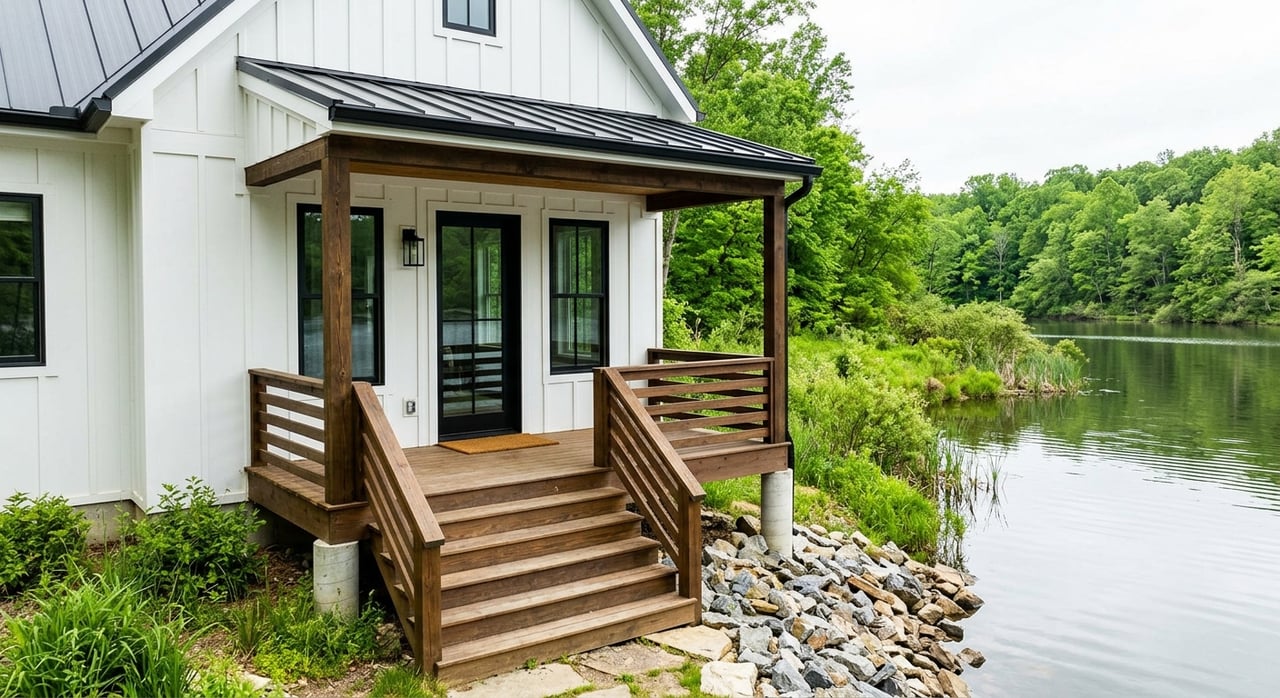
If you are thinking about buying a river-adjacent home in Cumberland City, TN, the view is only part of the story. In a small rural market like this, a great property can also come with questions about flood maps, road access, utilities, and closing timelines. The good news is that when you know what to check early, you can shop with more confidence and avoid surprises later. Let’s dive in.
Why Cumberland City Feels Different
Cumberland City is a very small town in Stewart County, with a 2025 population of 305 according to MTAS. It offers a rural setting, and the local housing market reflects that. You are not usually choosing between rows of similar homes in a large subdivision.
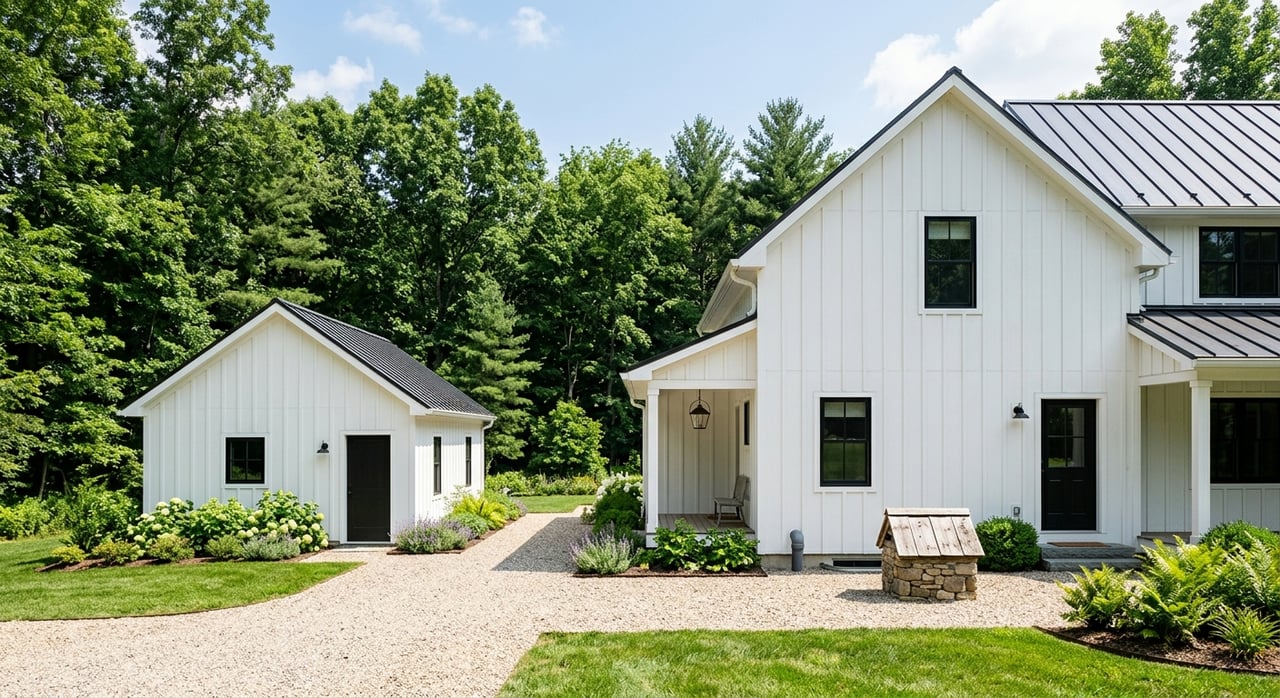
Instead, you are more likely to see a mixed group of properties that can include one-level homes, newer builds, mobile or manufactured homes, and acreage parcels. Recent listing snapshots have shown homes around 1,200 to 1,350 square feet on lots ranging from under half an acre to nearly 11 acres. That means each property often needs to be evaluated on its own features, access, and land conditions.
River Access Matters Here
For many buyers, river proximity is a big part of the appeal. TDOT identifies the Cumberland City ferry as a drive-on ferry and a Cumberland River crossing, which makes access part of the local lifestyle and part of the practical conversation. In this area, getting from one place to another may involve routes and conditions that matter more than they would in a larger city.
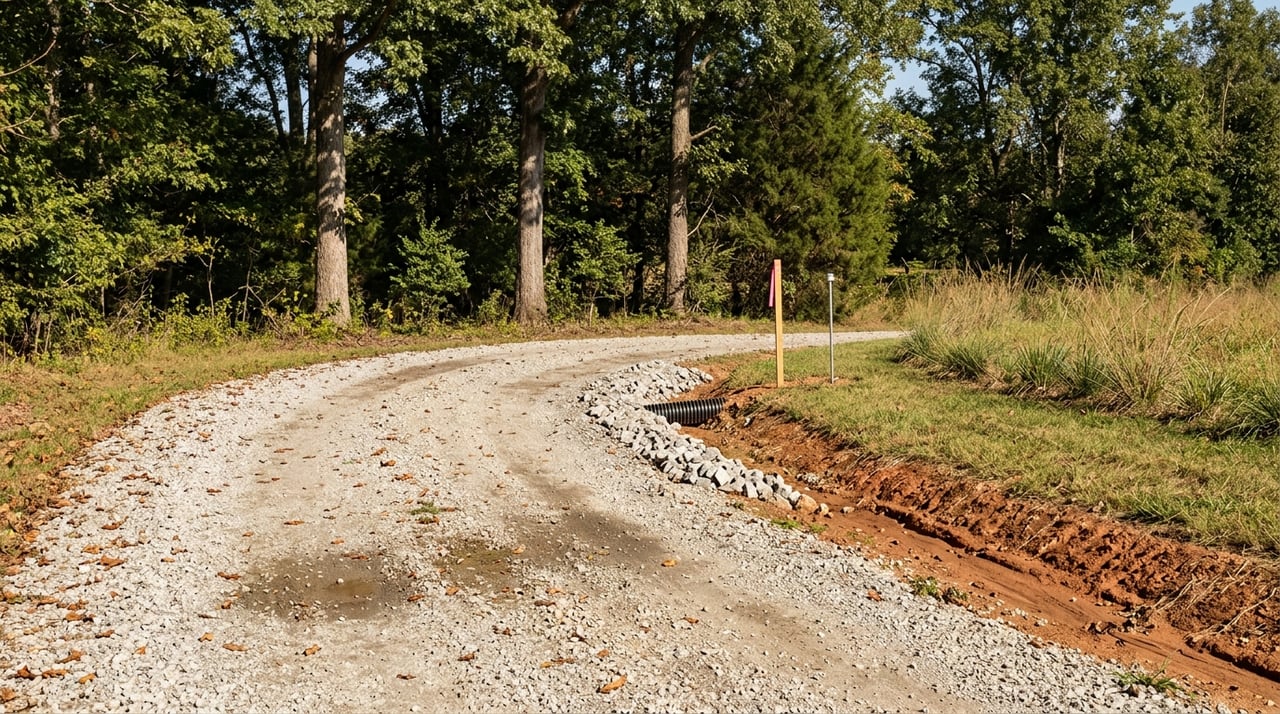
Stewart County also points residents to the Highway Department, EMA, and CodeRED alert system for road conditions and emergency notifications. That is a helpful reminder that you should think beyond the home itself. A river-adjacent purchase should include questions about how roads, driveways, and nearby crossings perform during heavy rain or severe weather.
Flood Maps Come First
The biggest issue in a river-adjacent purchase is flood diligence. Stewart County’s hazard mitigation plan explains that flooding can happen when rivers overflow onto riverbanks and adjacent floodplains, and also when low-lying or poorly drained land collects water. In other words, a home does not have to sit right on the water’s edge to have flood-related concerns.
The same county plan also notes that floodwaters can back up sanitary sewer lines and that wet building materials can lead to mold and mildew problems after water recedes. That makes flood review about more than insurance. It also affects livability, repair risk, and long-term maintenance.
Check the Exact Parcel, Not the General Area
A common mistake is assuming that a property is fine because it is only “near the river” or because neighboring homes look unaffected. FEMA’s Flood Map Service Center is the official public source for flood hazard information, and floodplain rules are tied to the Special Flood Hazard Area shown on Flood Insurance Rate Maps. FEMA also defines floodways as the channel and adjoining land needed to carry the base flood.
That means you need parcel-level clarity. You want to know whether the structure itself, not just part of the lot, is in a Special Flood Hazard Area or floodway. That distinction can shape financing, insurance, and even whether the property still feels like the right fit for your goals.
Insurance and Loan Timing Can Affect Closing
Flood insurance and lending steps should not be left until the last minute. FEMA states that property owners in participating communities can buy flood insurance, and mandatory purchase rules apply when a federally related mortgage is secured by improved real estate or a mobile home in a Special Flood Hazard Area. For some buyers, that requirement becomes part of the loan process very quickly.
FDIC guidance also discusses flood notices and escrow requirements for certain residential loans. The practical takeaway is simple: your lender, insurance agent, and real estate professional should be talking early. Waiting too long can slow down a deal that otherwise looks straightforward.
Why Timing Matters More Than You Think
FloodSmart says NFIP coverage normally becomes effective 30 days after purchase. If flood insurance is needed, that timing can create closing risk if the issue is discovered late in the transaction. A river-adjacent home may check every box for location and land, but a delayed insurance timeline can still disrupt your plans.
This is one reason hands-on transaction coordination matters in Cumberland City. Rural properties often have more moving parts, and the best time to sort them out is before deadlines get tight.
Utilities Are a Big Part of the Decision
MTAS notes that Cumberland City’s municipal utilities are sewer and water. That can be helpful, but not every river-adjacent property you consider will necessarily connect the same way. In a rural market, utility setup can vary from one home to the next.
You should confirm whether a property is on city water and sewer or uses a private well and septic system. That is not a small detail. It affects inspections, ongoing maintenance, and your comfort level with the property over time.
Septic and Well Questions to Ask Early
Tennessee says septic inspection letters are routinely requested when a property is sold or mortgage financed. If the home has a septic system, that can become part of your timeline. Asking about the age, repair history, and recent servicing of the system early can save you stress later.
For private wells, the Tennessee Department of Health says the state does not regulate private well water quality. CDC and EPA both say private well owners are responsible for water safety and should test regularly. For you as a buyer, that means well water should be treated as a due diligence item, not an assumption.
What Inventory Often Looks Like
Cumberland City does not usually have a deep pool of similar homes to compare. Recent portal snapshots have included new construction around 1,246 to 1,261 square feet on roughly 0.38 to 0.54 acres, a 1,216 square foot mobile home on 0.43 acres, a 1,350 square foot home on 10.94 acres, and a 1,241 square foot brick ranch on 0.51 acre. Active search filters have also shown interest in single-story homes, new construction, and no-HOA properties.
That variety can be a real advantage if you want options. At the same time, it means value is often tied to specific property details like lot shape, drainage, access, utility type, and how usable the land really is. In a market this small, the comparison set can shift quickly.
Smart Questions for a River-Adjacent Home
When you tour homes in and around Cumberland City, it helps to go in with a clear checklist. A pretty setting can make it easy to overlook practical details that matter later.
Here are some of the most useful questions to ask:
- Is the structure itself in a Special Flood Hazard Area or floodway?
- Has the seller experienced water intrusion, flood claims, drainage work, or septic repairs?
- Is the property on city water and sewer, or on a private well and septic system?
- Who maintains the road or driveway?
- How does access change after heavy rain?
- When will the lender order flood certification?
- Could flood insurance timing affect the closing date?
Why Local Guidance Helps in Cumberland City
A river-adjacent purchase in Cumberland City is usually a parcel-specific decision, not a broad neighborhood decision. Two homes that look similar online can be very different once you compare flood designations, road access, utility setup, and land conditions. That is why local, detail-oriented guidance can make such a difference.
In a small-town rural market, buying well often comes down to coordination. You need someone who can help you look past the photos, ask the right property questions, and keep inspections, lending, and insurance conversations moving in the right order.
If you are considering a river-adjacent home in Cumberland City or anywhere in Stewart County, Emerald Key Realty offers the kind of hands-on guidance and clear communication that can make a rural purchase feel much more manageable.
FAQs
What should you check before buying a river-adjacent home in Cumberland City, TN?
- You should confirm the property’s exact flood map designation, ask about drainage and water intrusion history, verify utility type, and review road or driveway access after heavy rain.
Does a Cumberland City river-adjacent home always require flood insurance?
- Not always, but flood insurance may be required when a federally related mortgage is secured by improved real estate or a mobile home in a Special Flood Hazard Area.
Why does parcel-level flood research matter in Stewart County, TN?
- Parcel-level research matters because being near the river is not enough to determine risk. The structure’s exact location on the lot can affect financing, insurance, and future use.
What utility questions should you ask when buying a home in Cumberland City, TN?
- You should ask whether the home is connected to city water and sewer or relies on a private well and septic system, since that affects inspections, maintenance, and due diligence.
Can a septic system affect a home purchase in Cumberland City, TN?
- Yes. Tennessee says septic inspection letters are routinely requested when a property is sold or mortgage financed, so septic status can affect both timing and transaction details.
How can road access affect a river-adjacent home purchase in Cumberland City, TN?
- Road access matters because Stewart County highlights road conditions and emergency alerts as important local resources, and heavy rain or storm response can affect travel in rural areas.