Two acres. That is the entire footprint of the piece of ground most residents of Charlotte return to three times a year without quite realizing they are keeping an appointment. The state legislature set that square aside in 1804 when it created the town, mandating a courthouse, a prison, and stocks on the site. The prison and stocks are long gone. The square still runs the calendar.
If you live off Spring Street or somewhere along the Highway 48 corridor north of town, you already know the shape of a good Saturday here without having to look it up. What you may not have thought about is why the pattern is so stubborn, and why September, October, and December feel less like separate events and more like a single seasonal drift back toward the same two acres.
Why the square, and not anywhere else
Charlotte was a stagecoach hub in the 19th century. Then the railroad went to Dickson instead, and the industrial center of the county followed it. What kept Charlotte's square intact, oddly, is a disaster. On May 30, 1830, a tornado destroyed most of downtown. The roof of the courthouse was found thirteen miles away, and most of the county's early records were permanently lost in the wreckage. The town rebuilt one thing first, and it rebuilt it to last. That 1833 courthouse still stands at 1 Court Square, and it is the oldest functioning courthouse in Tennessee.
The reason this matters for how you spend a Saturday in October is that everything else in town got flattened at the same time. The rebuild concentrated around one focal point by necessity, and the pattern never loosened. The whole Charlotte Courthouse Square Historic District was added to the National Register of Historic Places in 1977, which is the paperwork version of saying the shape of the town froze around that spot a long time ago.
Residents feel this without articulating it. When somebody says "meet me on the square," nobody asks which square.
The September beat
The Charlotte Festival lands on a Saturday in September, and it draws somewhere between 1,500 and 2,000 people to the Historic Charlotte Square at 22 Court Square. For context, the entire town was 1,656 people at the 2020 census. The festival is, functionally, the town plus its diaspora, standing in the same place for a day.
The mechanics are worth knowing if you have only ever passed through:
- Parade at 10 a.m.
- Music starting at 11 a.m.
- The Charlotte Lions Club cake auction, which is the closest thing the day has to a competitive sport
- First Federal Bank bingo at 11 a.m.
- Vendors from across the country, plus inflatables, rides, and games for children
- Wraps at 5 p.m.
The festival is described by its organizers as a homecoming for past residents who moved away, and as an introduction for new residents to see what Charlotte has to offer. In practice, it doubles as the year's unofficial census of who is still around.
If you have out-of-town family coming, this is the weekend to invite them. If you are trying to hand your teenager an errand that gets them out of the house, the cake auction is a reasonable answer.
Where breakfast actually happens on festival morning
The eating geography of Charlotte is not on the square itself, with one important exception. It runs out Highway 48 North in a thin, legible strip, and it runs down Spring Street. If you are pacing yourself for a long day at the festival, this is the order that tends to work:
- Café Gilly at 23 Court Square is the one that is literally on it, useful for a coffee before the parade starts
- Charlotte Donuts at 3411 Hwy 48 N is the answer if there are children involved
- Country View Market at 3368 Hwy 48 N covers the more substantial morning plate
- Sweet Charlotte at 3601 Hwy 48 N for something after the parade
- Ott's BBQ at 3806 Hwy 48 N for the afternoon pivot
- Laredo's Mexican Grill at 450 Spring St. and the Lunch Box on the same block cover the "we didn't plan this well and now everyone is hungry" contingency
The point is not that any of these are secrets. The point is that they exist in an unusually walkable-adjacent line, which is not the case in most towns of this size, and which is a direct legacy of the square being the only real gravitational center for two centuries.
The October beat
Scare on the Square runs in October and uses the same footprint the festival used a month earlier. If you have small children in costume, this is the correct answer to their question about what you are doing that weekend. If you do not, it is still a reasonable dog-walking evening, because the square is at its best under early-fall light and the crowd is smaller and more local than in September.
October is also the month when the short-drive add-ons start to pay off. Montgomery Bell State Park is a fifteen-minute drive south into Burns. The Restaurant at Montgomery Bell inside the park is worth knowing about for the weekend when your in-laws visit and you have exhausted the immediate options. Red White & Brewed Coffee Bar on Church Street in Burns is the coffee stop on the way back.
For anyone who wants a longer walk than the square provides, Old Spencer Mill in the Burns hills is one of the surviving 1800s-style gristmills in the area. The trail networks around Montgomery Bell take a full afternoon if you want them to.
The December beat
Christmas in the Square closes the ceremonial calendar. It is smaller than the September festival by design, and it works because the historic courthouse looks the way a courthouse is supposed to look in December once the lights go up. There is no complicated logistics to it. You park, you walk, you buy something from a table, you go home.
The Christmas beat is the one where the historic frame does the most emotional work. You are standing in front of a building that was completed in 1833, on ground the legislature set aside in 1804, at an event that residents have been running in some form for generations. That is not something the surrounding towns can replicate, and it is not something the newer subdivisions off Highway 48 can produce on their own. It requires the square.
The half-day trips that extend the season
If you have already lived through several rounds of the three-event calendar and want to widen the map, two heritage stops within the county are worth building an afternoon around.
Cumberland Furnace, north of Charlotte, is the site of the first ironworks in the Middle Tennessee region and the oldest community south of the Cumberland River between Nashville and Clarksville. The furnaces shut down in the 1940s. The village, with more than thirty buildings and sites tied to the iron industry, was listed as a historic district on the National Register in 1988. The Cumberland Iron Works Museum, a double-pen log structure built around 1850, is the anchor stop.
Promise Land, established by African American families during Reconstruction between 1870 and 1875, is the other. At its peak, the community held around a thousand acres, more than fifty homes, three churches, and an elementary school. Today the St. John Promise Land Church and the old Promise Land School Building remain, with the school listed on the National Register in 2007 and a Civil War Trails marker placed on the grounds in 2010. Restoration work on the schoolhouse as a one-room museum is ongoing, and the interior currently holds a rotating set of displays and photographs interpreting the community.
Neither is a full day. Both pair well with a return through Charlotte in time for dinner.
What the calendar quietly tells you
Three events a year, all on the same two acres, all built around a courthouse that has been in continuous operation since Andrew Jackson's presidency. Most residents of Charlotte experience this as ordinary. It is not ordinary. Very few small towns still have the physical center they were founded around, and fewer still have a population small enough that the September festival draws roughly the population of the town itself.
The practical takeaway is simply this. Marking September, October, and December on the calendar early is worth more than trying to fill individual weekends as they come. The square will do the programming for you if you let it.
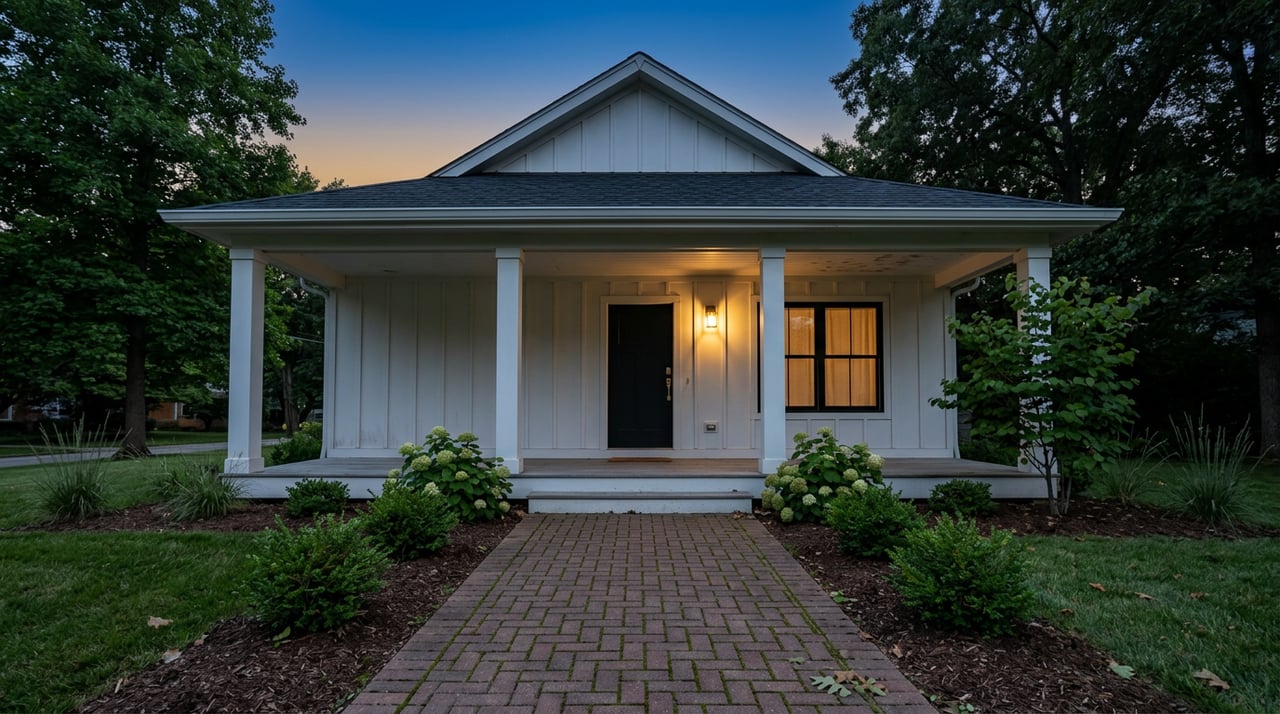
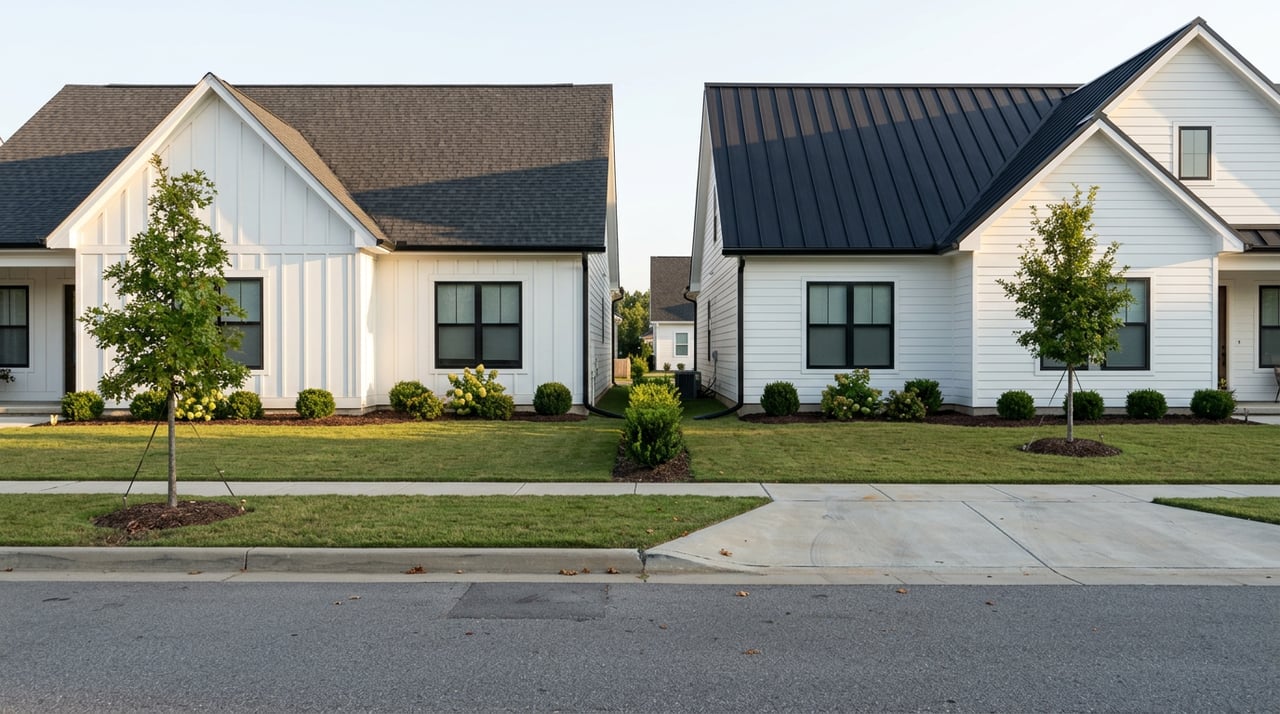
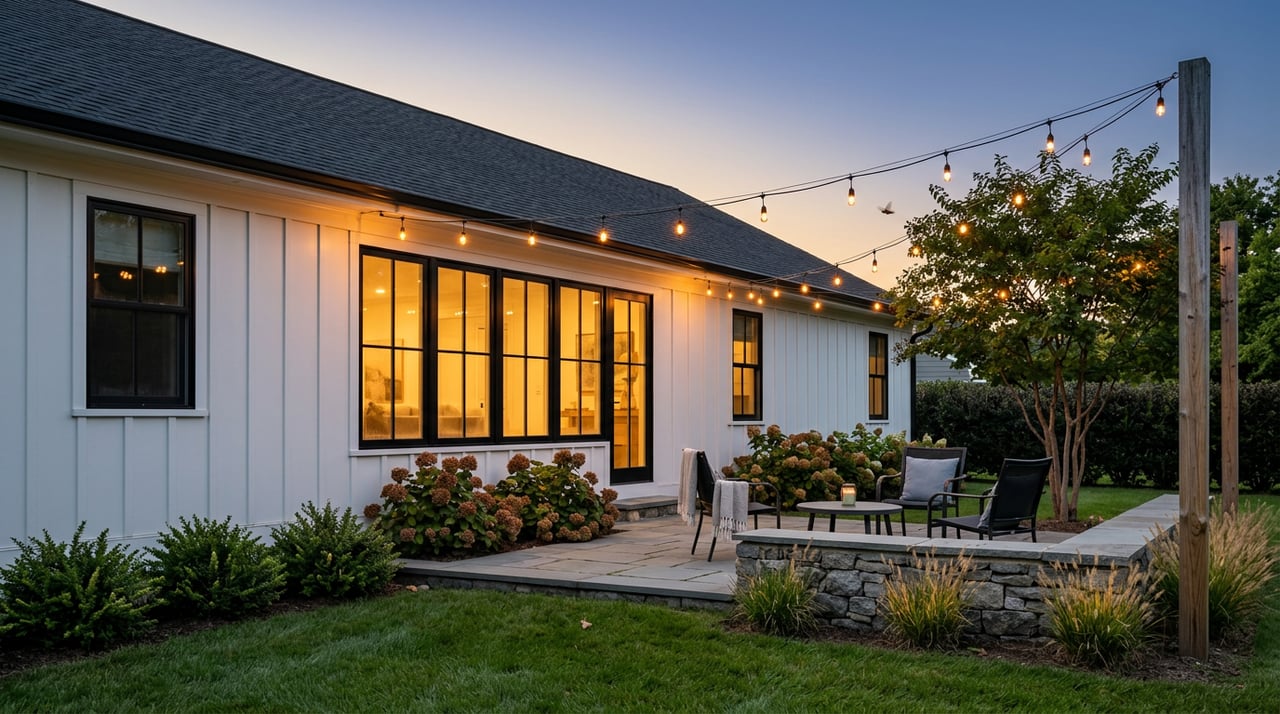
When you or someone you know is ready to talk about a home in Charlotte, an acreage parcel out toward Cumberland Furnace, or a move-up on the Highway 48 corridor, Emerald Key Realty would be glad to sit down with you. Request a Free Home Valuation whenever you are ready.